
Cultural History of Kosovo
A rich mosaic of traditions, beliefs, arts, and a centuries-old spiritual heritage
A rich mosaic of traditions, beliefs, arts, and a centuries-old spiritual heritage
The culture of Kosovo is a unique blend of Illyrian, Roman, Byzantine, Ottoman, and modern European influences. Over the centuries, this land has been a meeting place for civilizations, creating a rich and multidimensional cultural identity.
From medieval monasteries inherited from the Byzantine Empire to Ottoman architecture, traditional costumes, polyphonic music, and unique customs, Kosovo offers a window into the history of the Balkans.
The Orthodox monasteries of Deçan, Graçanica, and Peja are part of UNESCO's world heritage. Ottoman mosques like the Sinan Pasha Mosque in Prizren testify to religious harmony.
The painting school of Onufri and his successors left its mark on the churches of Kosovo. Traditional craftsmanship of ceramics, goldsmithing, and textiles continues to live on.
The legendary epic of heroic songs, rhapsodes like Sali Bashota, and modern literature by writers like Anton Pashku shape the literary identity.
Flia, tavë kosi, byreks, baklava, and Turkish coffee are part of the culinary identity. Each region has its unique specialties.
Besa and hospitality are the pillars of Albanian society. "The house of the Albanian belongs to God and the guest," says a proverb.
Wedding ceremonies last several days with songs, dances, and specific rites like the "dowry" and "engagement".
ISO-polyphony is a heritage protected by UNESCO. The multi-dimensional vocal songs are unique in the world.
Eid, Easter, and other holidays are celebrated with mutual respect, showing religious tolerance.
Embroidery, ceramics, carpets, and goldsmithing are preserved crafts passed down from generation to generation.
Farming, livestock breeding, and village life preserve the oldest traditions of the country.
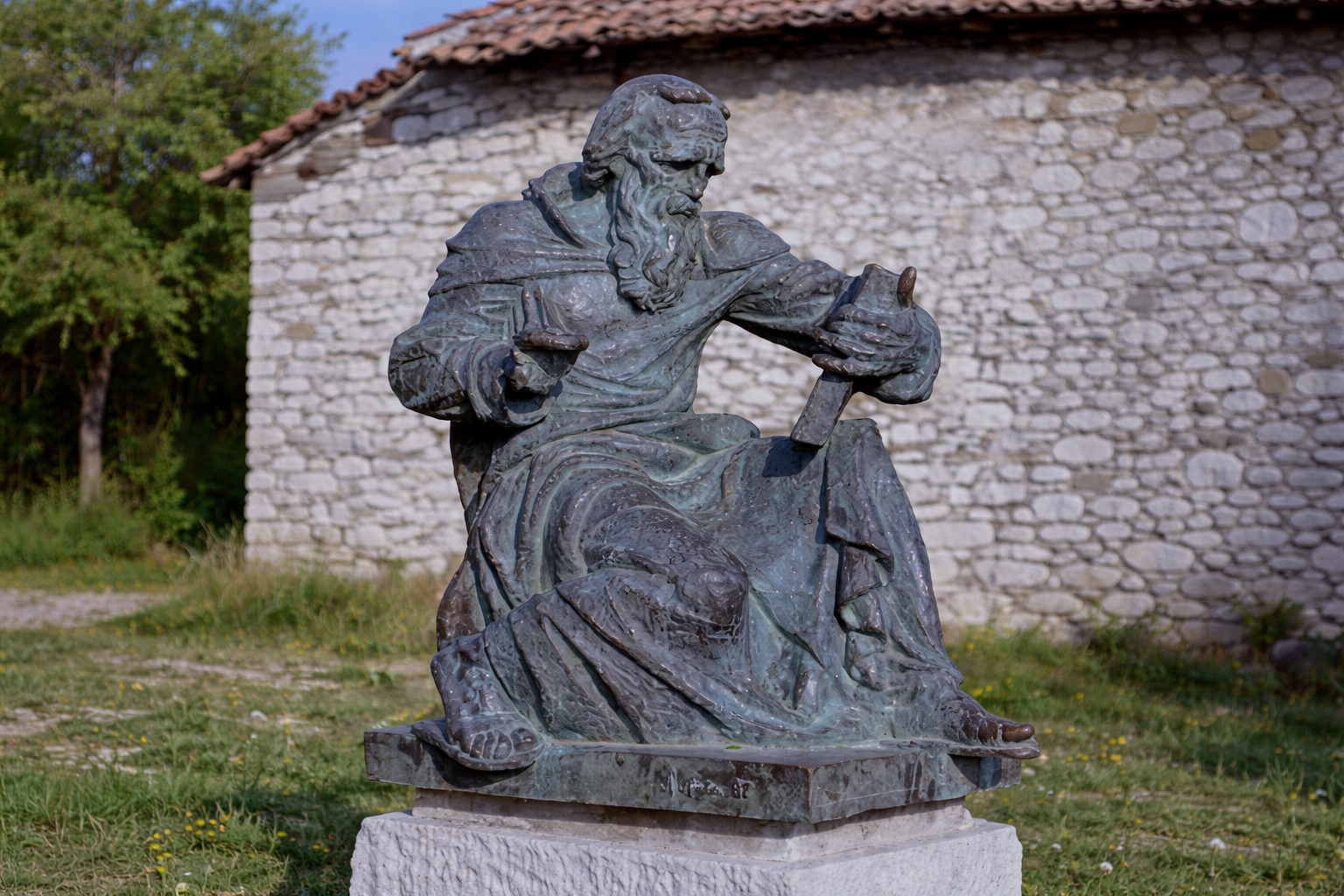
Famous icon painter who worked in the monasteries of Kosovo. His unique style of vivid colors influenced Orthodox art.
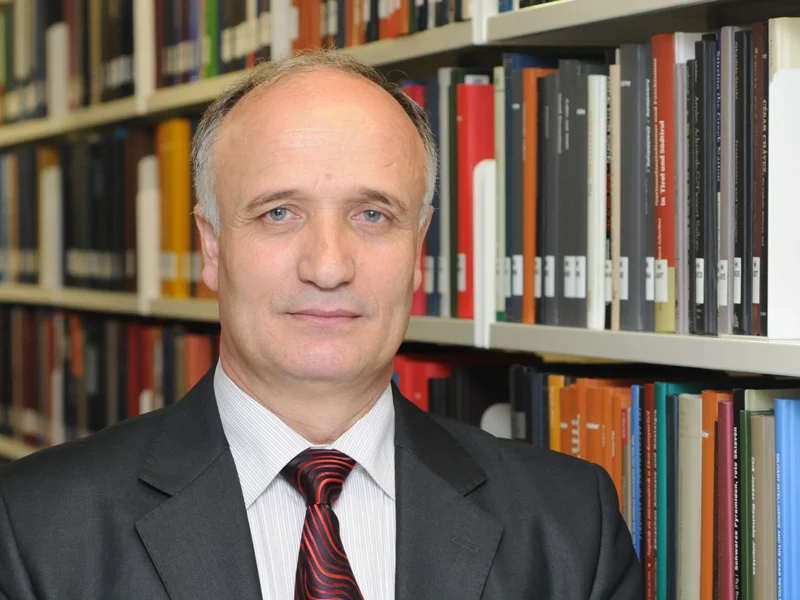
Transmitter of the Albanian epic. His songs about the Kreshniks are part of UNESCO's oral heritage.
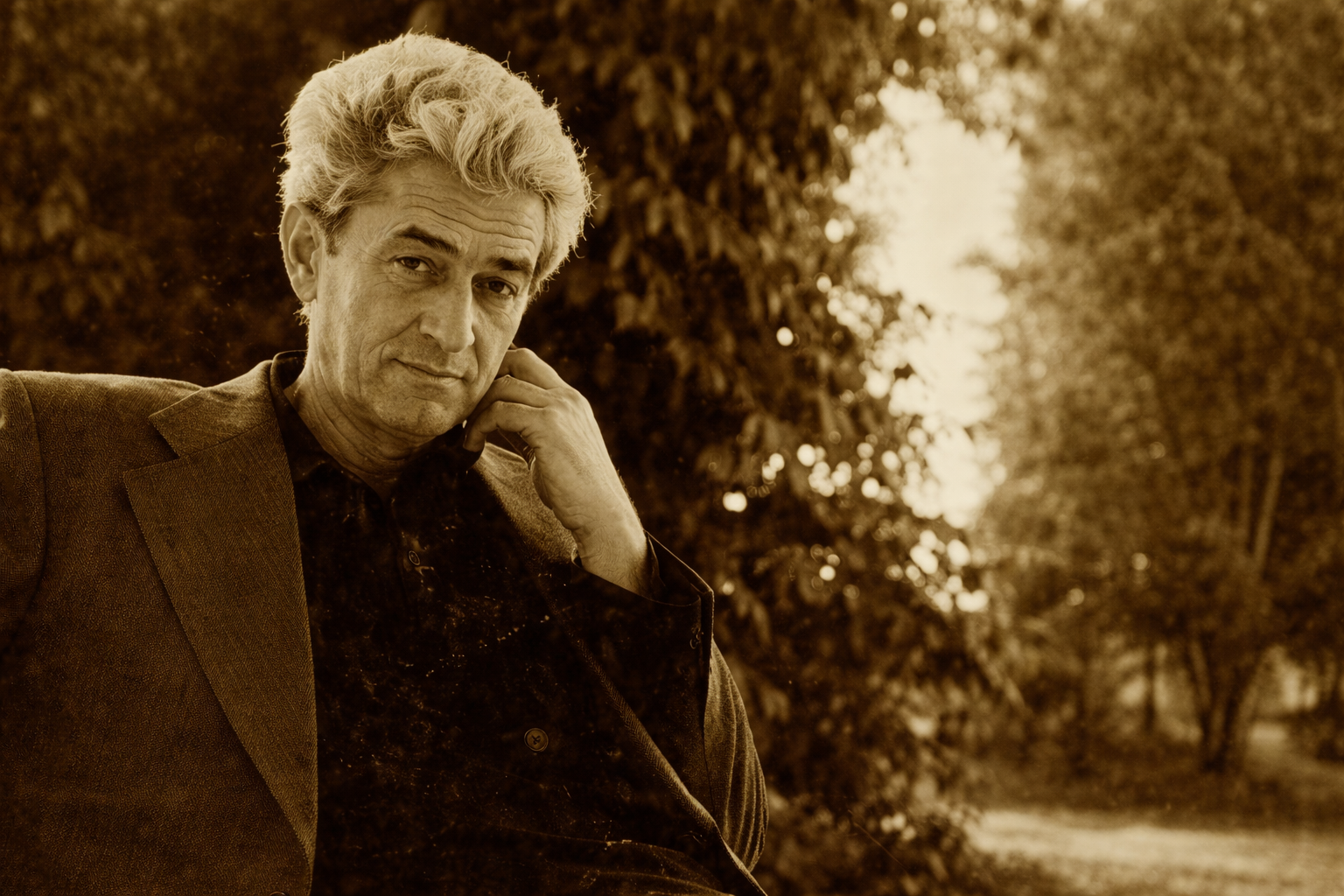
One of the greatest Albanian writers. His prose explores solitude and existentialism.
Pioneer of modern Albanian art. His works contain impressionist and expressionist influences.
Scholar of Albanian literature, novelist, and essayist. His work "Death comes to me from such eyes" is a classic.
Legend of Albanian music. His songs like "Moj e bukura More" are eternal.
Kosovo is home to some of the most important cultural heritage sites in the Balkans, recognized by UNESCO for their universal value.
14th-century Serbian Orthodox monastery, famous for its preserved frescoes by Onufri and his school.
2004 - UNESCO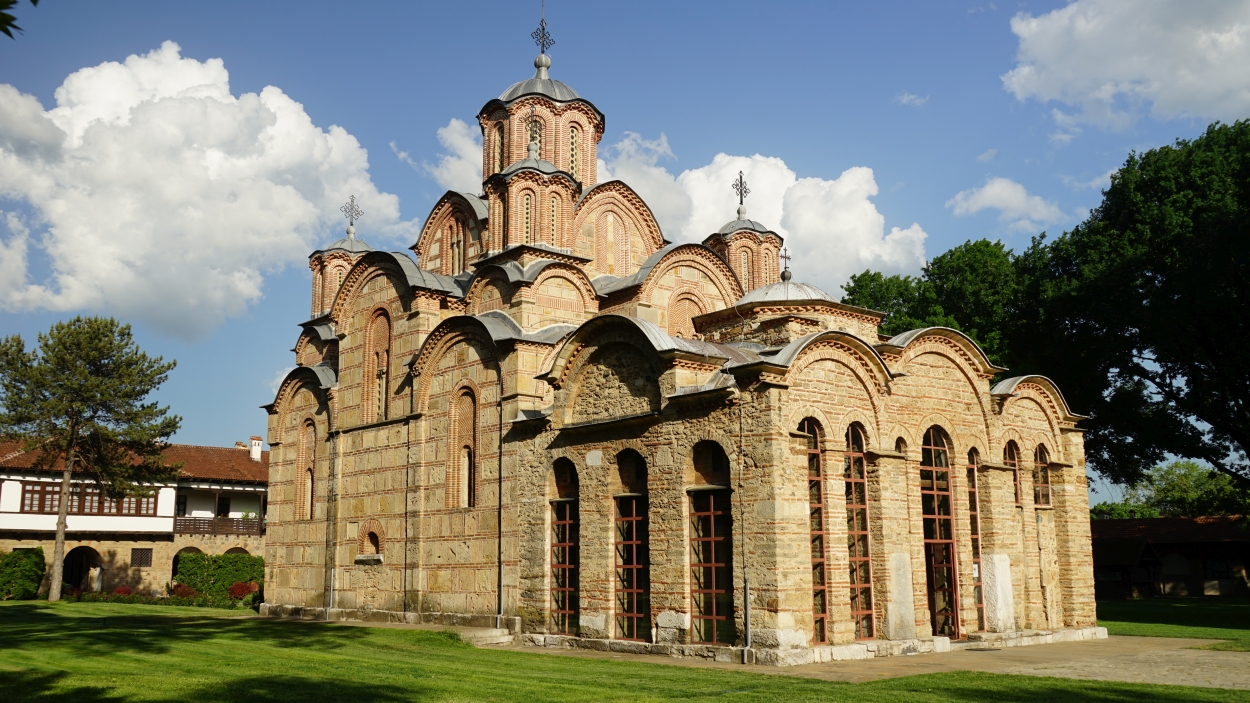
Remarkable example of 14th-century Serbian architecture, built by King Milutin.
2006 - UNESCO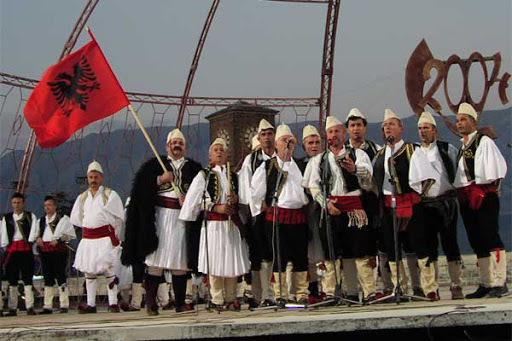
Unique musical form of polyphonic singing, practiced in the Has and Dukagjini regions.
2005 - UNESCOAlbanian national instrument with two strings, used in epic songs and traditional dances. Its sound is inseparable from Albanian culture.
Old instruments used in Kreshnik songs. The Lahuta is a type of one-stringed fiddle, while the tupana is a traditional drum.
Shota, Rugova, and Dukagjini dances are group dances requiring skill and coordination. They are part of every traditional celebration.
The Albanian language is a unique Indo-European language that has retained its ancient characteristics. The dialects of Kosovo (Gheg) are part of the linguistic heritage dating back to the Illyrian era.
Across the Balkans and the diaspora
Standardized in 1908 in Manastir
Baptismal Formula (1462)
Gheg and Tosk