

From ancient Ottoman fortresses and medieval monuments to symbolic modern architecture, discover the cultural and historical richness built by man.
Kosovo, located at the crossroads of empires, houses an unparalleled cultural heritage. Its architecture is composed of an epic mix: mosques and Ottoman hammams of old towns like Prizren and Gjakova, Orthodox churches and Byzantine monasteries listed by UNESCO, as well as unique modern structures from the Yugoslav period and the independence era. Every stone in Kosovo tells a different story.
Discover the monuments, buildings, and symbols that define the man-made and historical identity of Kosovo.
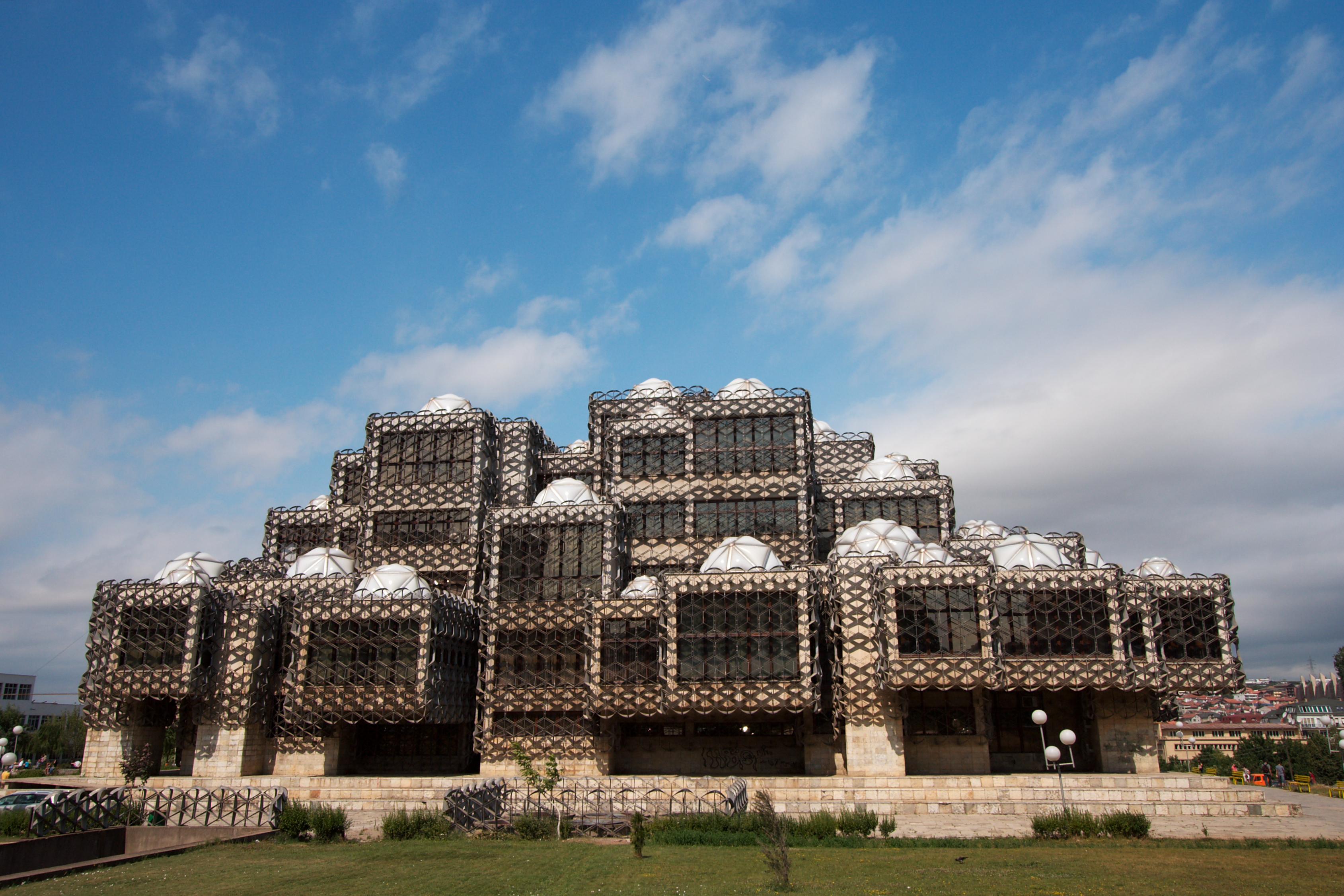
A masterpiece of modern architecture, known for its unique design with numerous domes symbolizing traditional Albanian headwear.
Architecture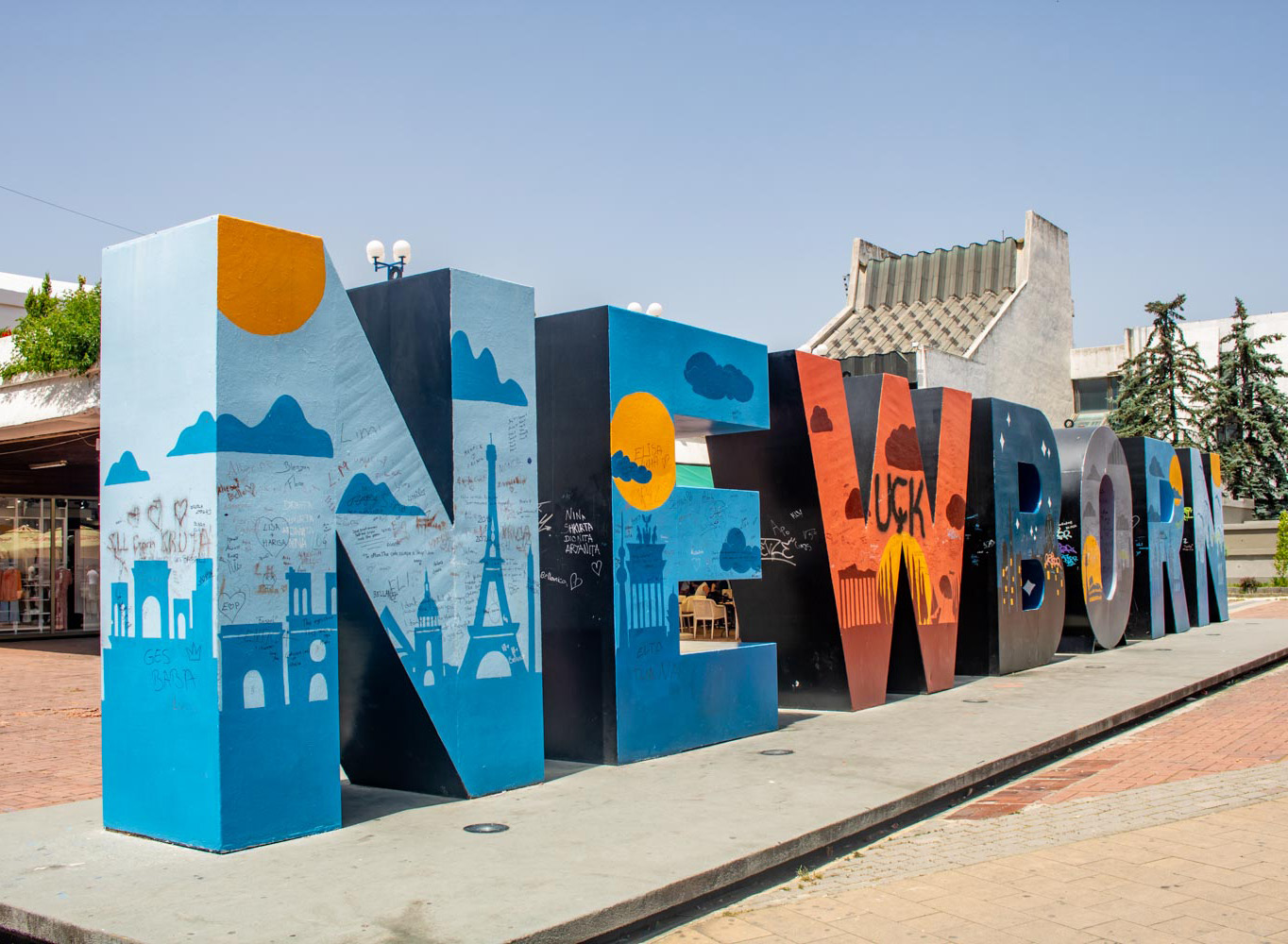
Iconic symbol of Kosovo's independence, located in the center of Pristina, which is decorated differently each year by various artists.
Symbol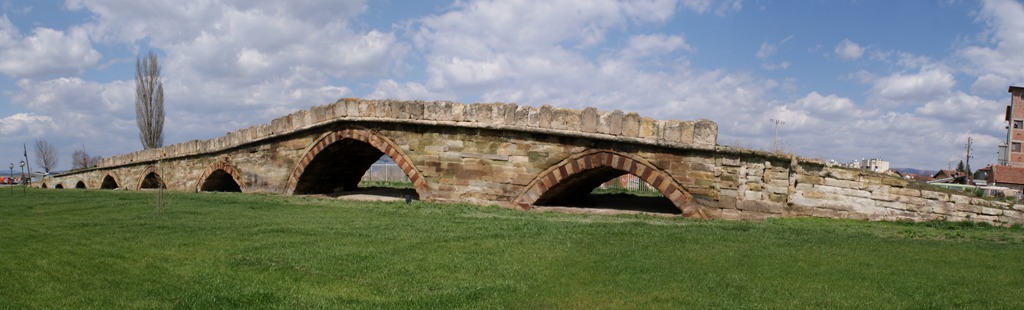
The Stone Bridge in Vushtrri is one of the oldest and most characteristic monuments in Kosovo. It is an important historical symbol of the region.
Monument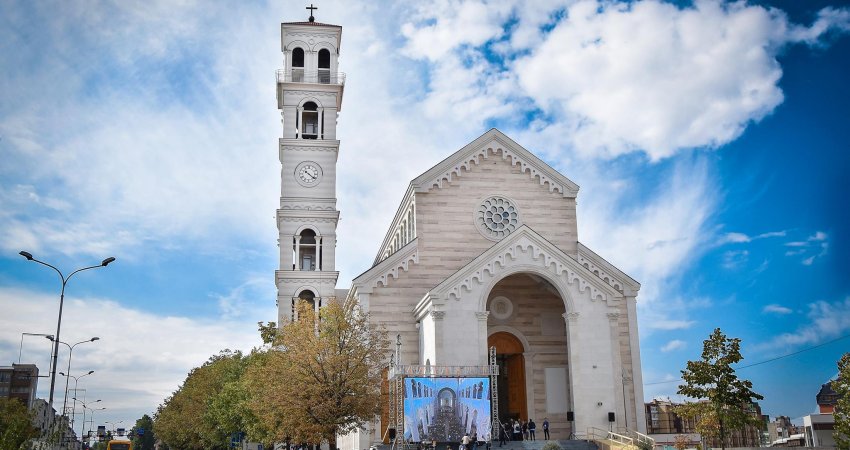
A modern Catholic cathedral in Pristina, known for its pure Romanesque architecture and powerful bell tower.
Religion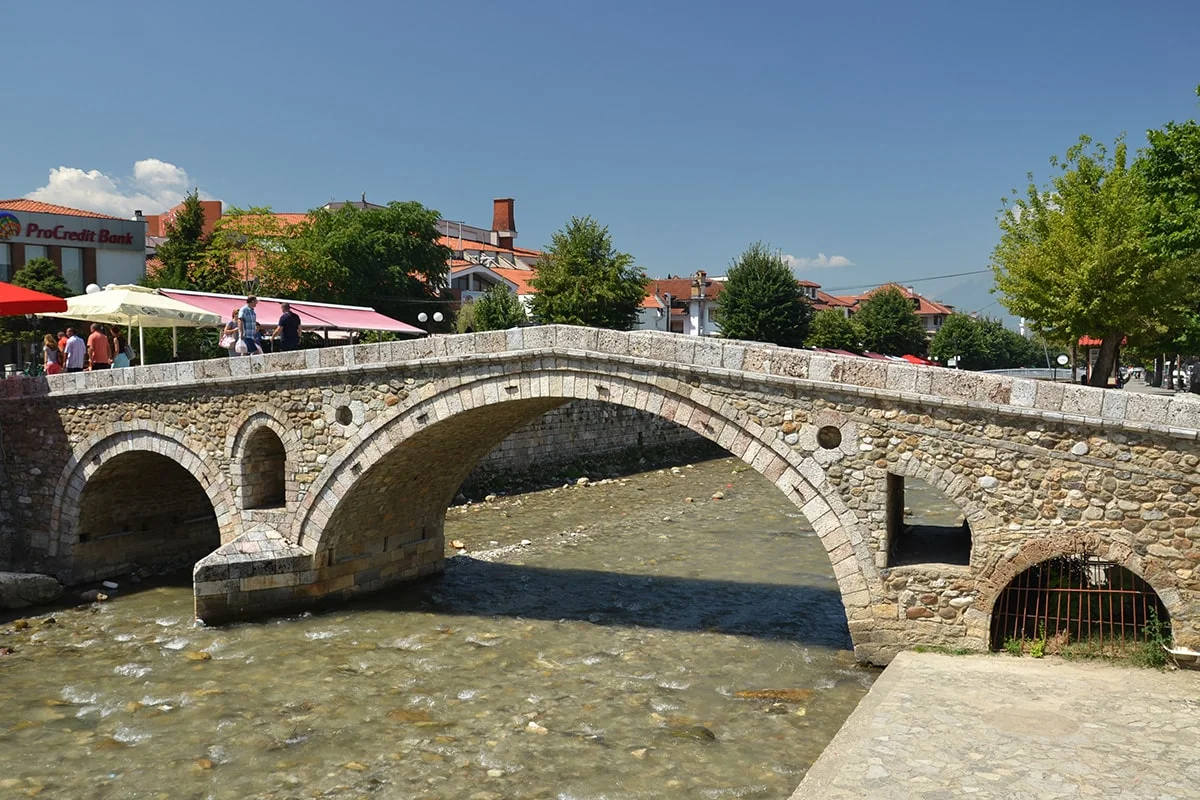
The Stone Bridge is one of the best-known symbols of Prizren and one of the most visited sites by tourists. It connects the old and new town.
Monument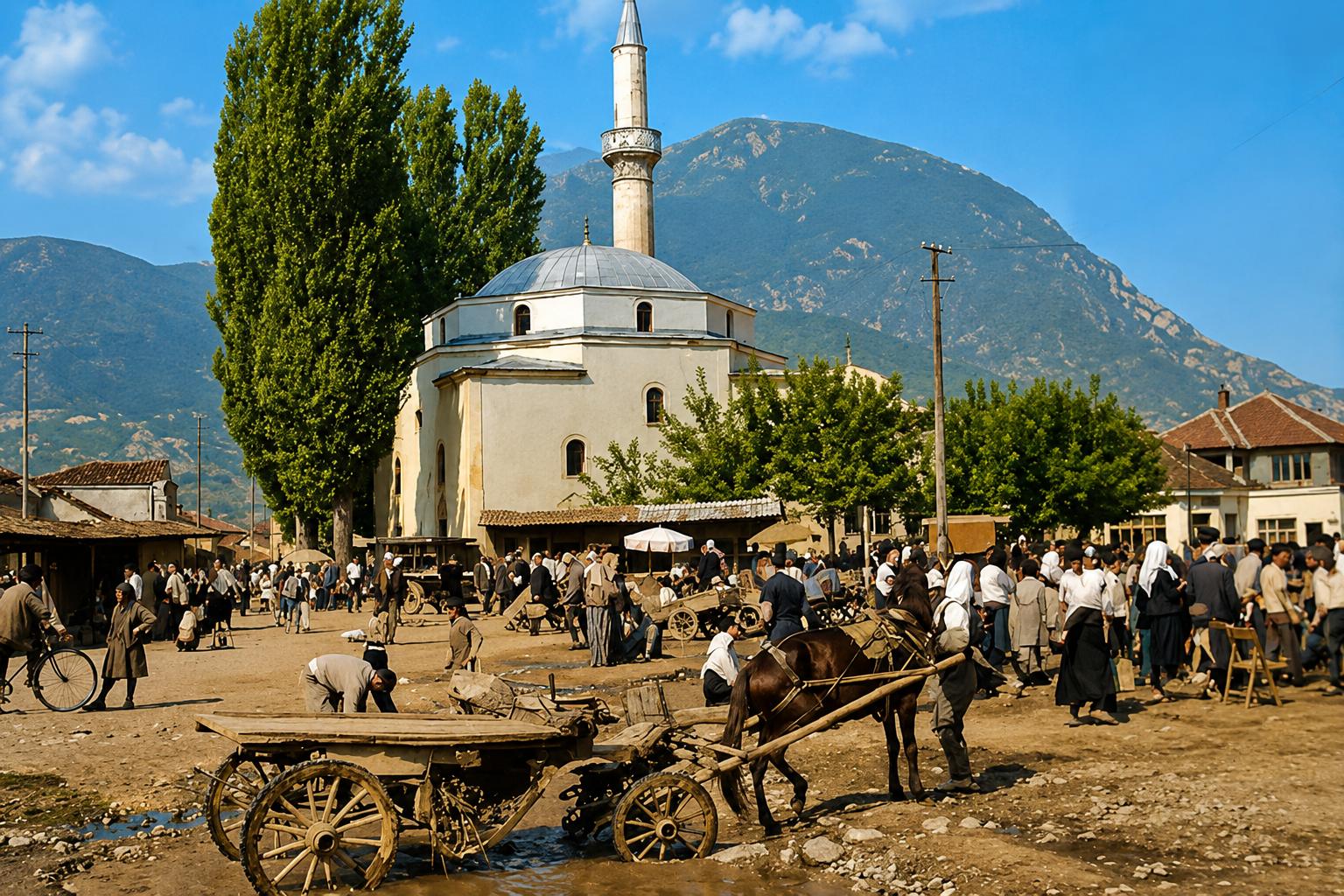
One of the oldest mosques in Kosovo, built in the 15th century, dominating the skyline of the city of Peja.
History
Built in 1982, it is the work of Croatian architect Andrija Mutnjaković. Its design is unique and controversial, composed of 99 domes divided into groups and covered with metal meshes. This structure draws inspiration from Byzantine architecture and traditional Albanian elements, creating one of the most photogenic buildings in the Balkans.
Views of cultural and architectural heritage from all over Kosovo.
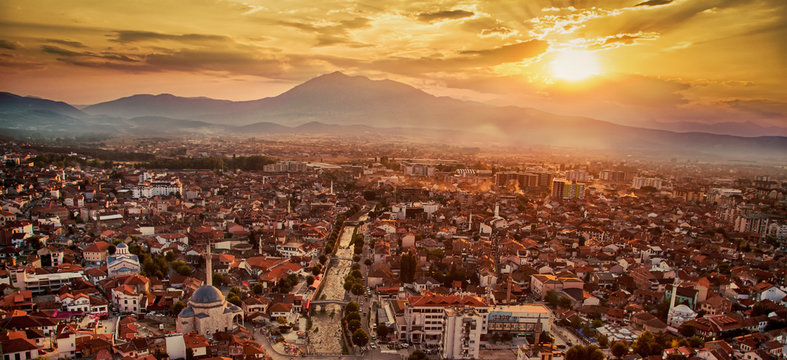 City of Prizren
 Gračanica Monastery
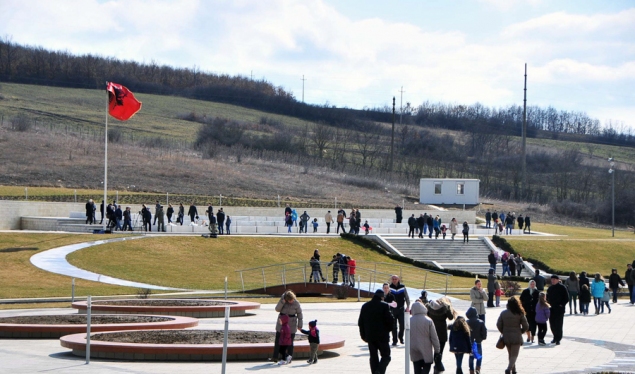 Memorial Monument
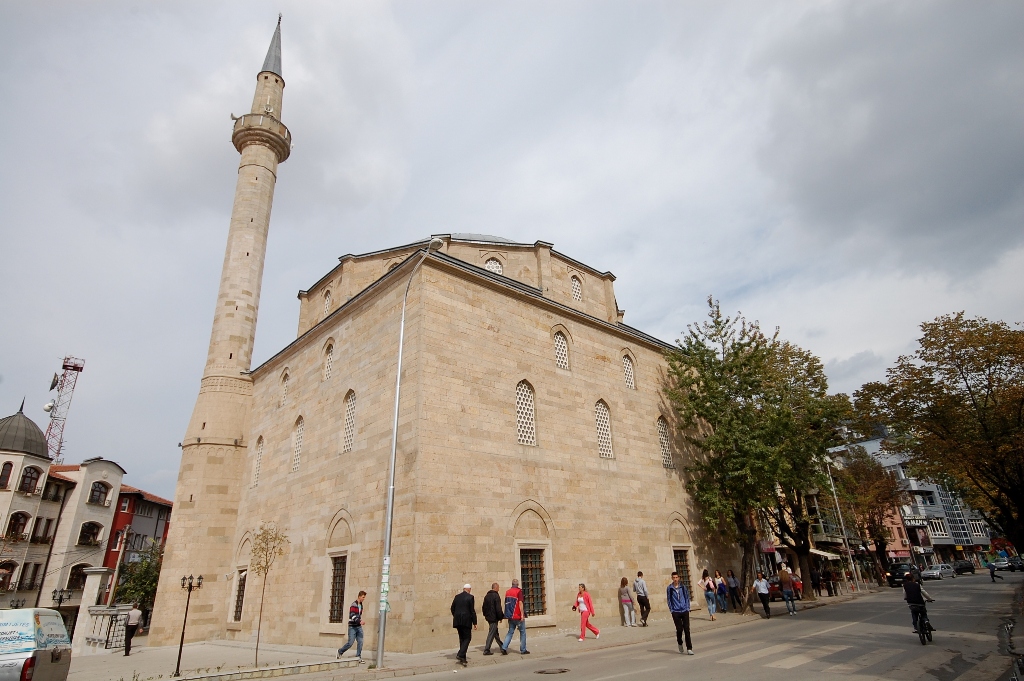 Grand Mosque - Pristina
.jpg) Prizren Fortress
Prizren Fortress
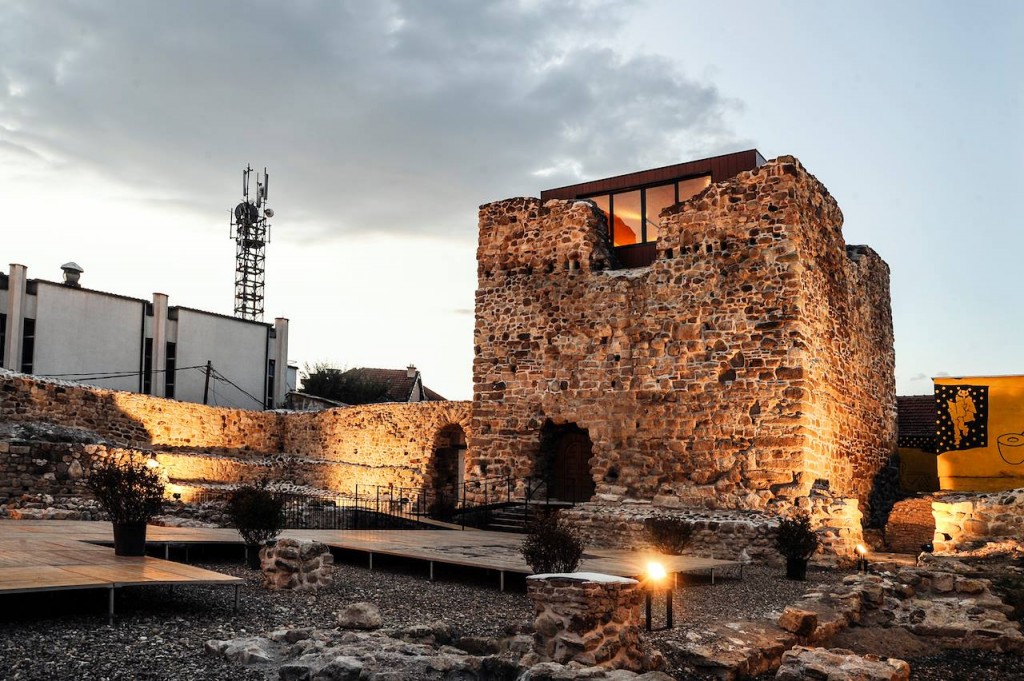 Vushtrri Fortress
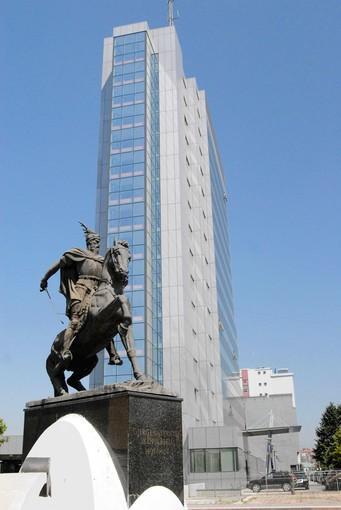 Bust of Skanderbeg
Stone Bridge, Vushtrri
Bust of Skanderbeg
Stone Bridge, Vushtrri
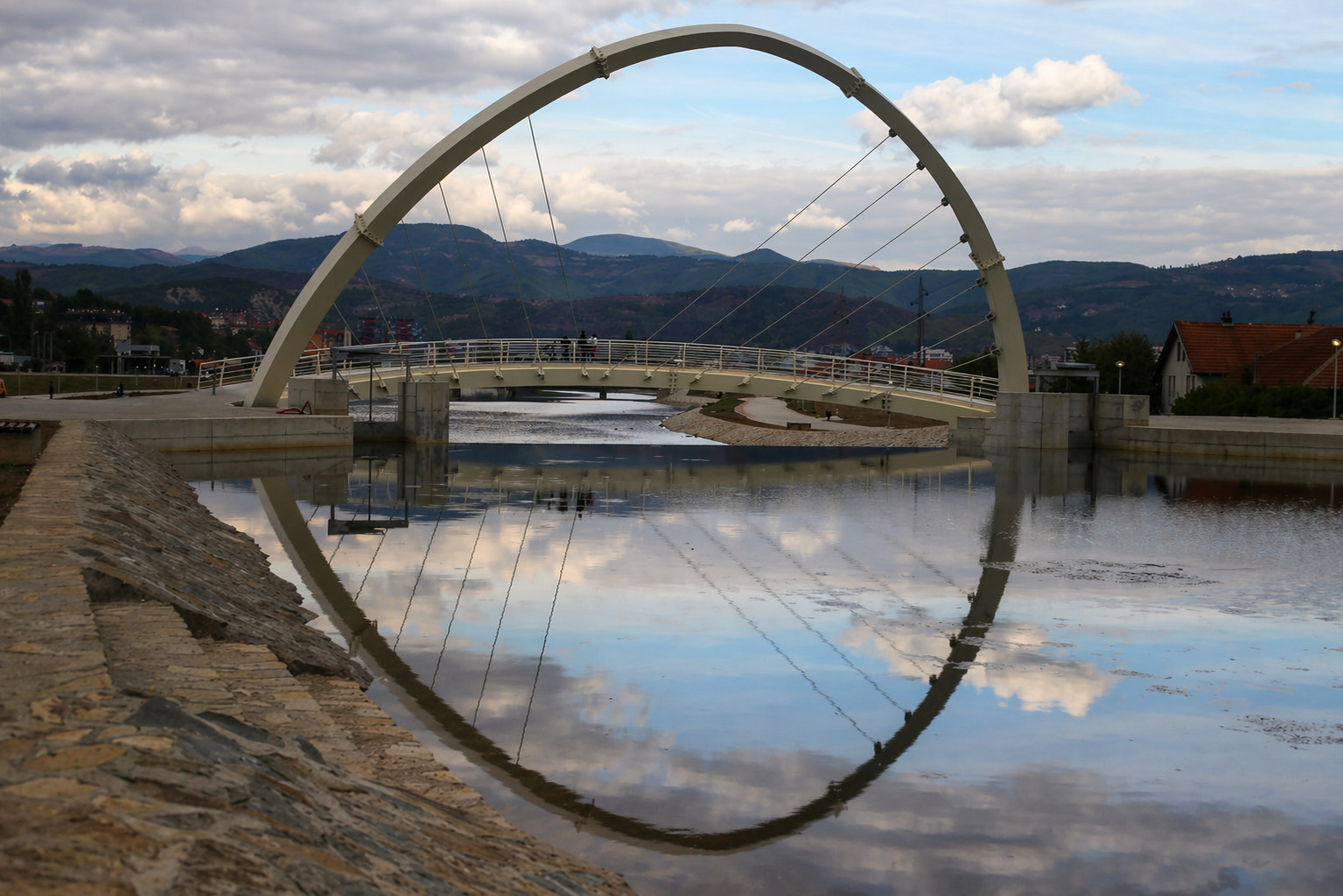 Ibar River
Stone Bridge, Prizren
Ibar River
Stone Bridge, Prizren
Kosovo is an open-air museum that displays various historical influences through stone and concrete.
From the 14th century onwards, mosques, hammams, bridges, and stone bazaars defined the appearance of cities like Prizren, Gjakova, and Peja.
1389 - 1912Orthodox monasteries and churches built by Serbian dynasties, known for their precious frescoes and Byzantine style.
12xx - 15xxDuring the Yugoslav era, Pristina was transformed with reinforced concrete, creating massive and unique buildings like the National Library.
1945 - 1990After the war and independence, modern glass and metal architecture flourished, with new churches, embassies, and government buildings.
1999 - Today