
Past Religions in Kosovo
From Illyrian mythology to Slavic paganism and the development of early Christianity
From Illyrian mythology to Slavic paganism and the development of early Christianity
Before Islam and Christianity dominated Kosovo, this land was home to much older religious beliefs and practices. From Illyrian mythology, Slavic paganism, and Roman cults, to the development of early Christianity and Bogomilism, the religious history of Kosovo is as rich and complex as its political history.
These ancient beliefs have left traces in the toponymy, folk customs, and archaeological heritage of the country, shaping the cultural identity of the Albanian people.
The Illyrians had a rich pantheon of gods, with Zeus as the main deity. The cult of the Sun and the Moon was widespread, as was the belief in life after death. Illyrian tombs testify to a strong belief in the underworld.
The Romans brought their pantheon but also allowed local cults. The Roman god Jupiter was identified with the Illyrian Zeus. During this period, mystery cults, such as that of Mithra, began to appear.
Christianity spread gradually after the division of the Roman Empire. By the 4th century, Dardania had Christian bishops. The early Church was still confronted with local pagan practices.
The Slavs who settled in the Balkans brought their pantheon, with Perun (god of thunder) and Veles (god of the underworld). The cult of fire and sacred trees was important.
Missionaries Cyril and Methodius Christianized the Slavs. The Slavic Orthodox Church was founded, creating a distinct church with Slavic liturgy. The first monasteries were built during this period.
The Bogomil movement, originating from Bulgaria, spread to Kosovo. This dualistic doctrine denying materialism found support among the rural population. It was severely repressed by the official Church.
The Illyrian pantheon included Zeus (god of the sky), Enji (fire), and local deities of mountains and forests. The cult of sacred tombs (tumuli) was important. The belief in life after death is shown by tombs containing valuable objects.
Perun (thunder), Veles (underworld), Svarog (fire), and Dazhbog (sun) were the main gods. The worship of large trees (zapis) continued even after Christianization. The sacred fire was kept in every house.
Gnostic movement believing in cosmic dualism: the good God (spirit) vs the evil God (matter). It rejected the Orthodox Church, sacraments, and icons. Repressed as heresy, it left traces in folklore.
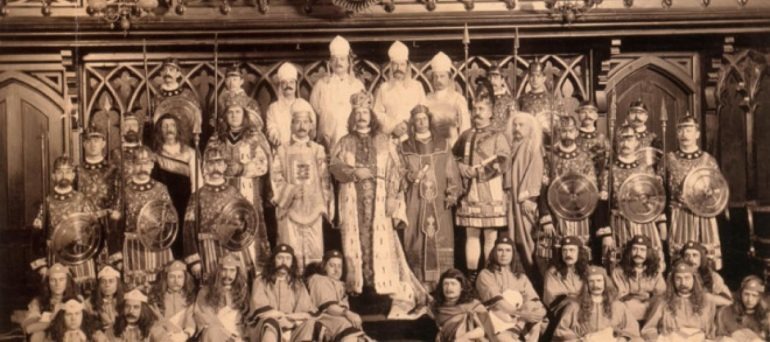
The cult of Mithra, Isis, and Cybele spread by Roman soldiers. The cult of Mithra, of Persian origin, was particularly popular among men. These cults offered personal salvation and life after death.
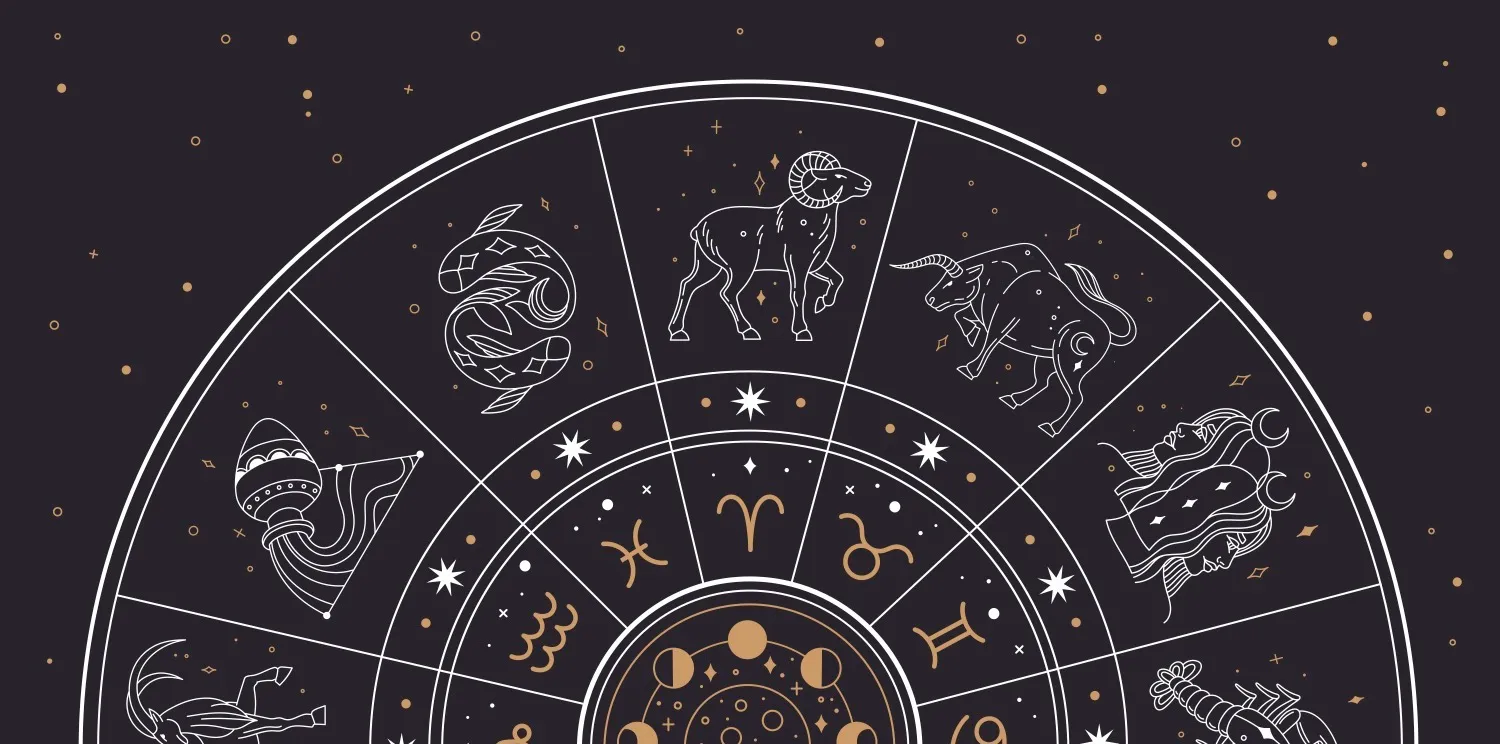
The observation of stars and planets had religious importance. The Sun and Moon were worshipped as gods. Ancient calendars were based on lunar cycles. The holidays of equinoxes and solstices were important.
Belief that everything in nature has a spirit: mountains, forests, rivers, strange stones. This heritage survives in folk customs, such as the "zapis" (sacred tree) and "guardian years".
Tumuli (burial mounds) throughout Kosovo, filled with weapons, jewelry, and vases. Evidence of belief in life after death.
Coins with images of Roman gods found in Dardania. They show the spread of imperial cult and Roman pantheon.
Latin and Greek inscriptions mentioning local deities. Testimonies of the coexistence of Roman and Illyrian cults.
Traces of Mithraic temples (mithraeum) in the Dardania region. Mithraism was the most widespread mystery cult in the Roman army.
Foundations of churches from the 4th-6th centuries, with mosaics and frescoes. Evidence of the early development of Christianity.
Traces of fire altars and sacrificial sites. They show the continuity of fire worship from Illyrians to Slavs.
The transition from ancient beliefs to monotheistic religions did not happen immediately. It was a long process lasting centuries, with periods of coexistence, gradual conversion, and sometimes repression.
Mixing of old elements into new religious practices
Christianization of Slavs in the 9th century and Islamization of Albanians in the 15th-18th centuries
Preservation of pagan elements in folklore, songs, and folk customs
Place names preserving the memory of ancient gods and cults
Roman city of Dardania, near present-day Pristina. Excavations have revealed temples, basilicas, and a theater. Administrative and religious center of the region.
Fortified Illyrian settlement near Prizren. Continuous traces of habitation and religious practices from Illyrians to the Middle Ages.
Illyrian then Roman city in northern Kosovo. Traces of the cult of Hercules and later early Christianity.
Built on the foundations of an old church, showing religious transition. Example of architectural syncretism.
One of the oldest churches discovered in Kosovo. Traces of early Christianity in Dardania.