Kosovo
Kosovo is an independent country that has a long and understood history. A country where culture, tradition and education are connected to each other.
Kosovo is an independent country that has a long and understood history. A country where culture, tradition and education are connected to each other.
The Kanun of Lekë Dukagjini is an ancient code of laws and rules that has guided social and moral life
in Kosovo and in some parts of Albania for centuries.
It was also the law of life in many Albanian
communities and has had a significant influence on their culture and traditions.
Its main points
were honor and hospitality. But above the Kanun was only the church.
Kosovo has a rich and complex history that encompasses various historical periods and important events. During various historical periods, Kosovo has undergone many changes in different fields such as the economy, culture but also in Religions
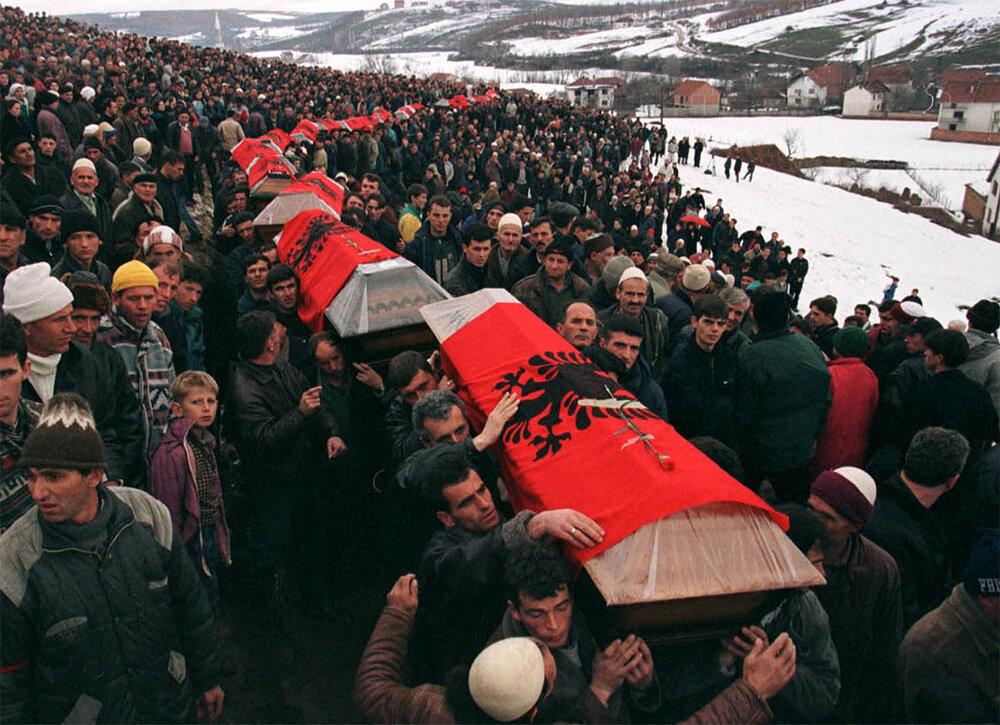
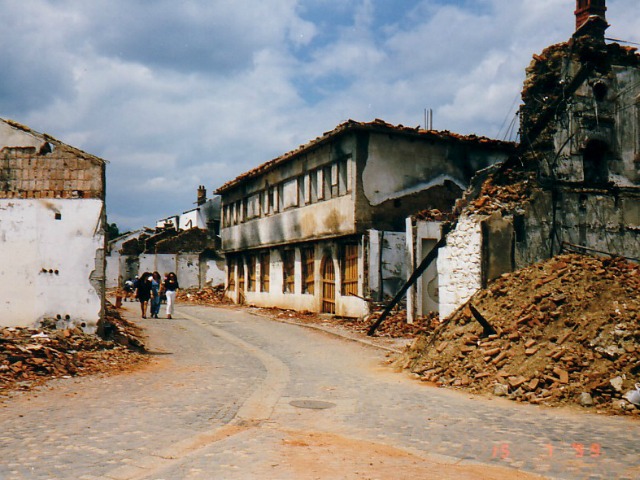
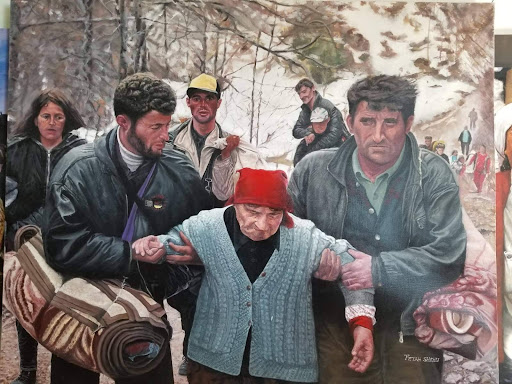
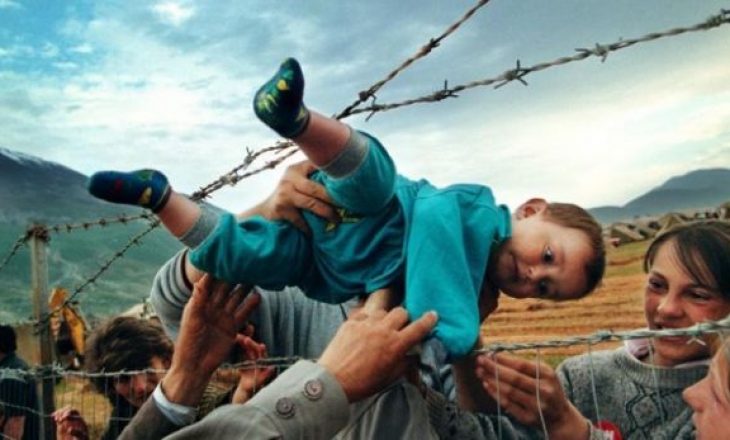
Kosovo is among the countries that has experienced the heaviest consequences from historical conflicts in the Balkans. Due to its geographical position and ethnic composition, it has often been a center of political and military tensions. Over the centuries, Kosovars have faced various rulers, political pressures, displacement, and major social challenges.
Even though Kosovo is a new state, it has made great efforts to function with its own democratic principles and to build stable institutions. Since the declaration of independence, the country has aimed to strengthen the administration, develop a more sustainable economy, and create better conditions for citizens.
The culture of Kosovo is a rich reflection of the history and traditions of its people. It has been shaped by the various cultural and historical influences that have passed through this region over the centuries. Kosovar culture is a mixture of traditional and modern elements, reflecting the unique identity of this country.
Kosovo is a country with a rich and complex history, where religions have played an important role in shaping the cultural and social identity of its population. Over the centuries, Kosovo has been a place where several religions have blended and coexisted, creating a rich religious mosaic. In Kosovo, the two main religions are Islam and Christianity, with a considerable presence of Muslim and Orthodox and Catholic Christian communities. Islam is the most widespread religion in Kosovo, with the majority of the population identifying as Muslim. This Muslim presence has deep historical roots, starting from the Ottoman rule period, when many Albanians converted to Islam. On the other hand, Christianity also has a long history in Kosovo, with significant Orthodox and Catholic communities that have contributed to the cultural and religious life of the country. The Serbian Orthodox Church has a strong presence in some parts of Kosovo, while the Catholic Church also has a significant influence, especially among Catholic Albanians.
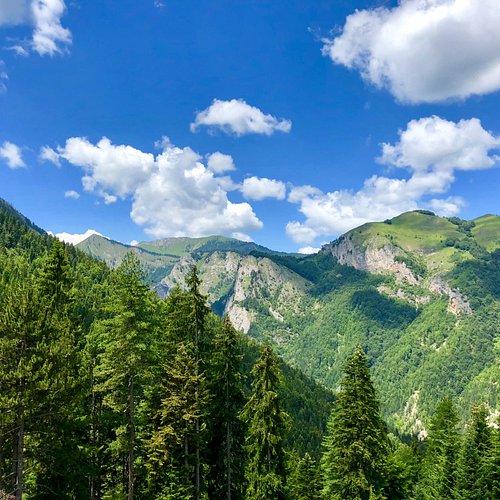
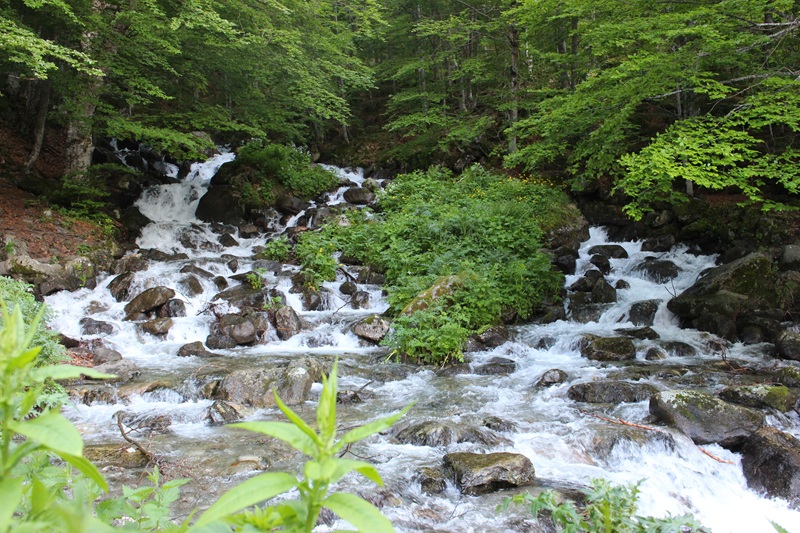
Kosovo is a country known for its natural beauties. Kosovo's nature is rich with stunning landscapes and protected natural areas.
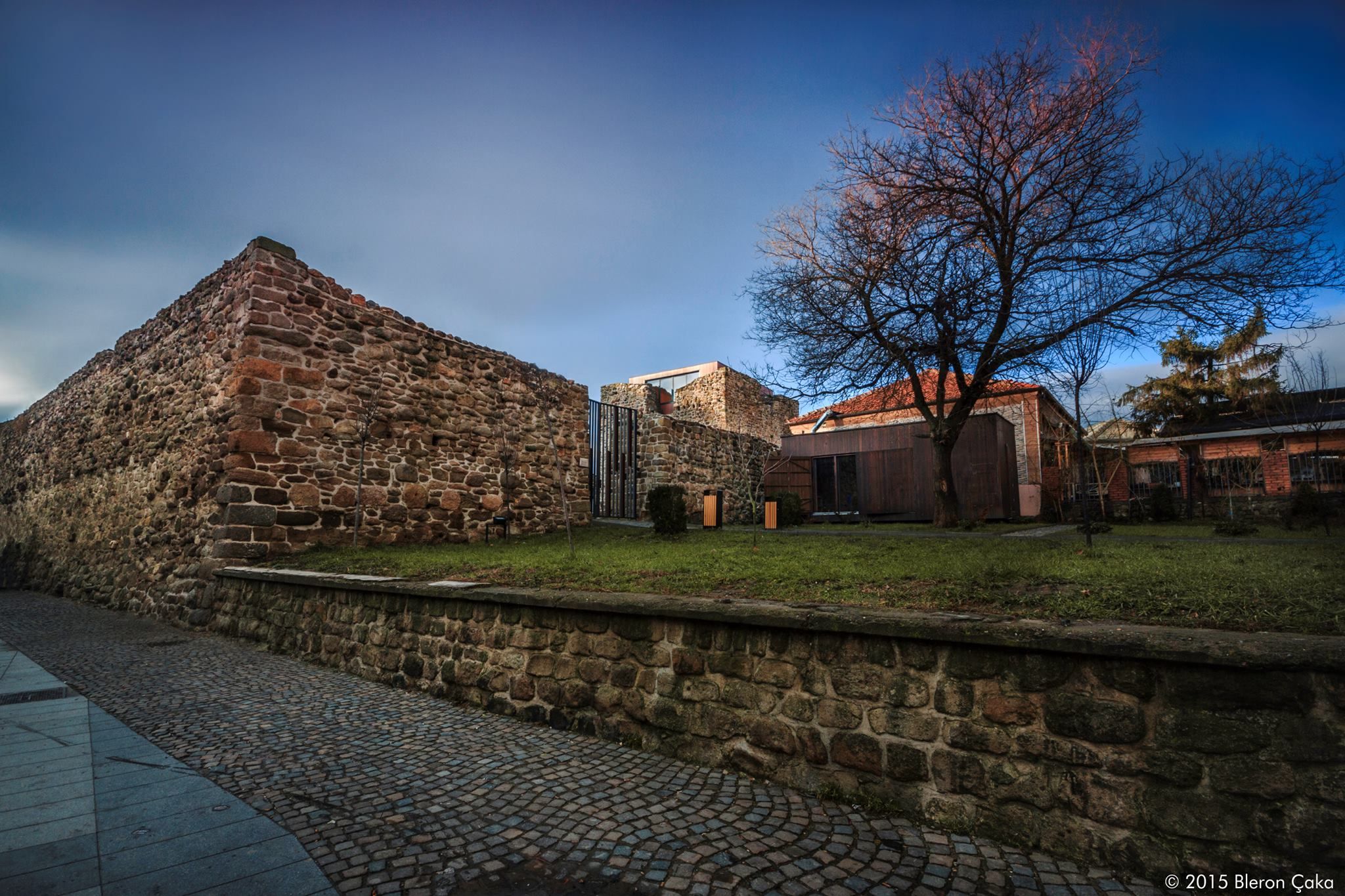
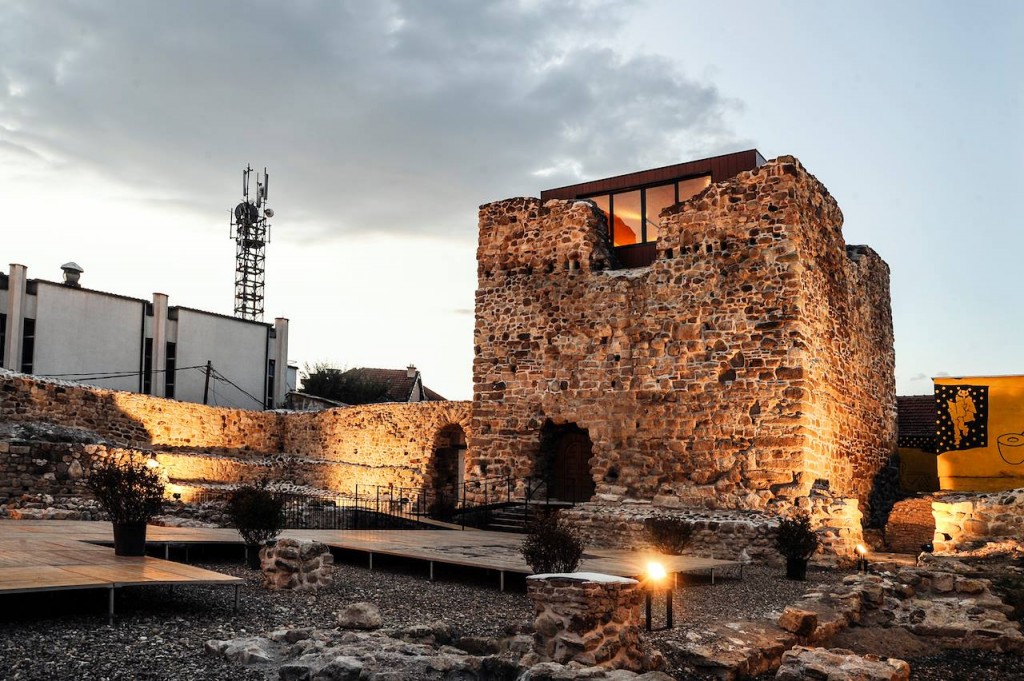
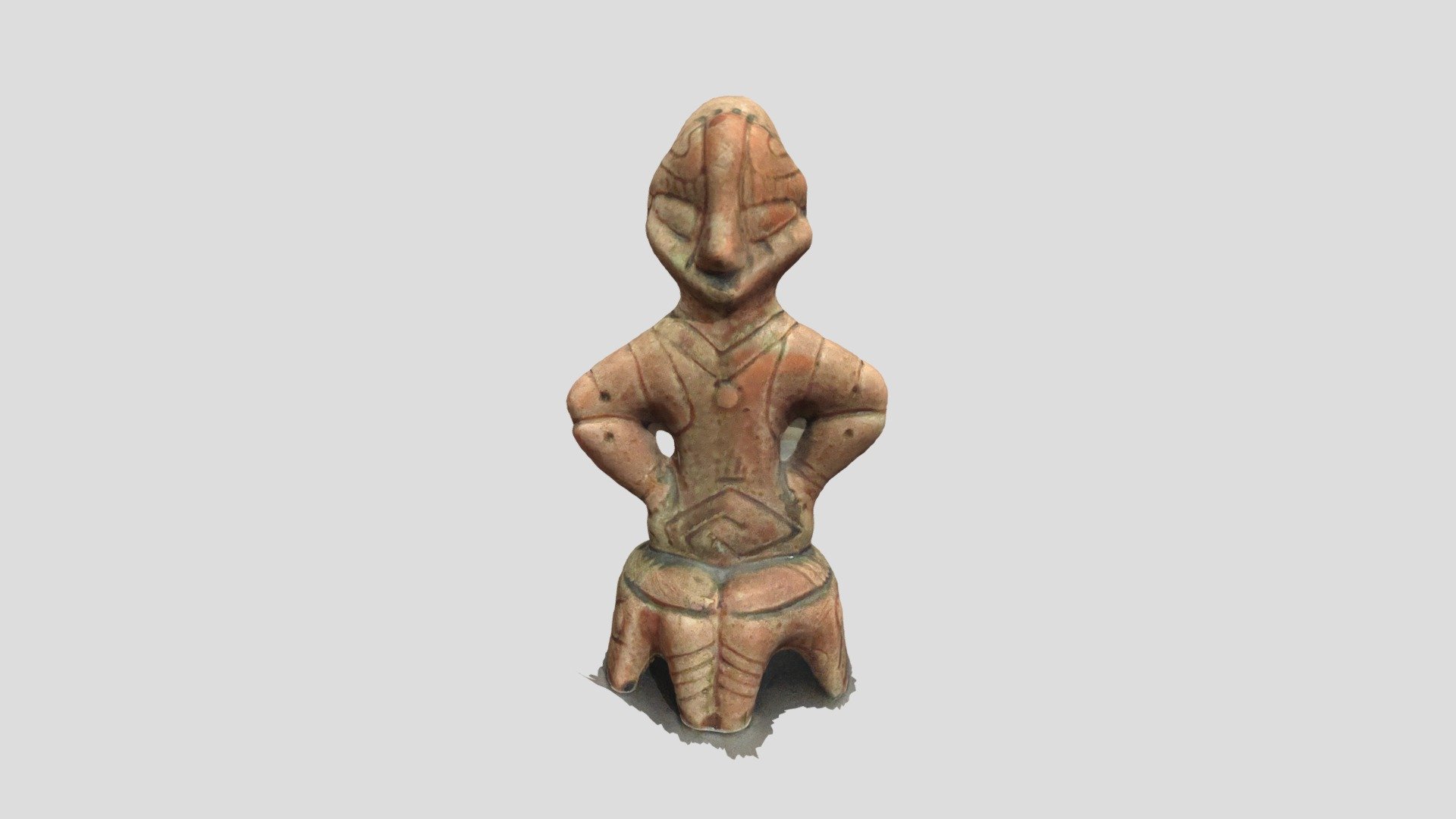
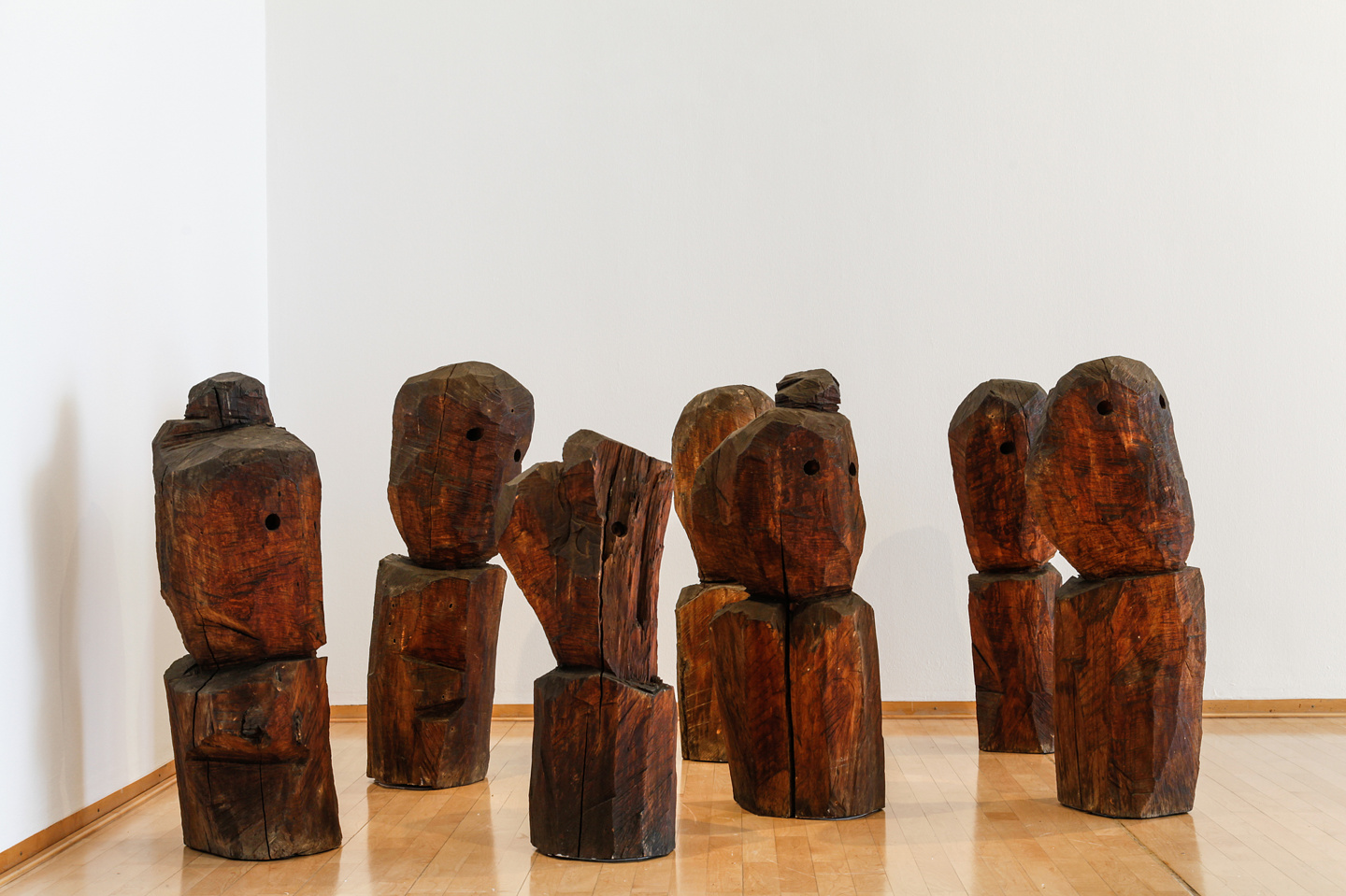
Art in Kosovo has a rich and diverse history, reflecting the various cultural and historical influences that have shaped this region over the centuries. From the Middle Ages to modern times, Kosovar art has gone through various stages of development, including Byzantine art, Ottoman art, and modern Albanian art. During the Middle Ages, Kosovo was an important center of Byzantine art, with churches and monasteries that were decorated with wonderful frescoes and mosaics. These artworks reflected the religious beliefs and social life of the time, leaving a precious cultural heritage. In the Ottoman period, art in Kosovo took influences from oriental culture, bringing new elements in architecture, painting, and craftsmanship. This period brought a unique blend of artistic styles, creating a distinct cultural identity.
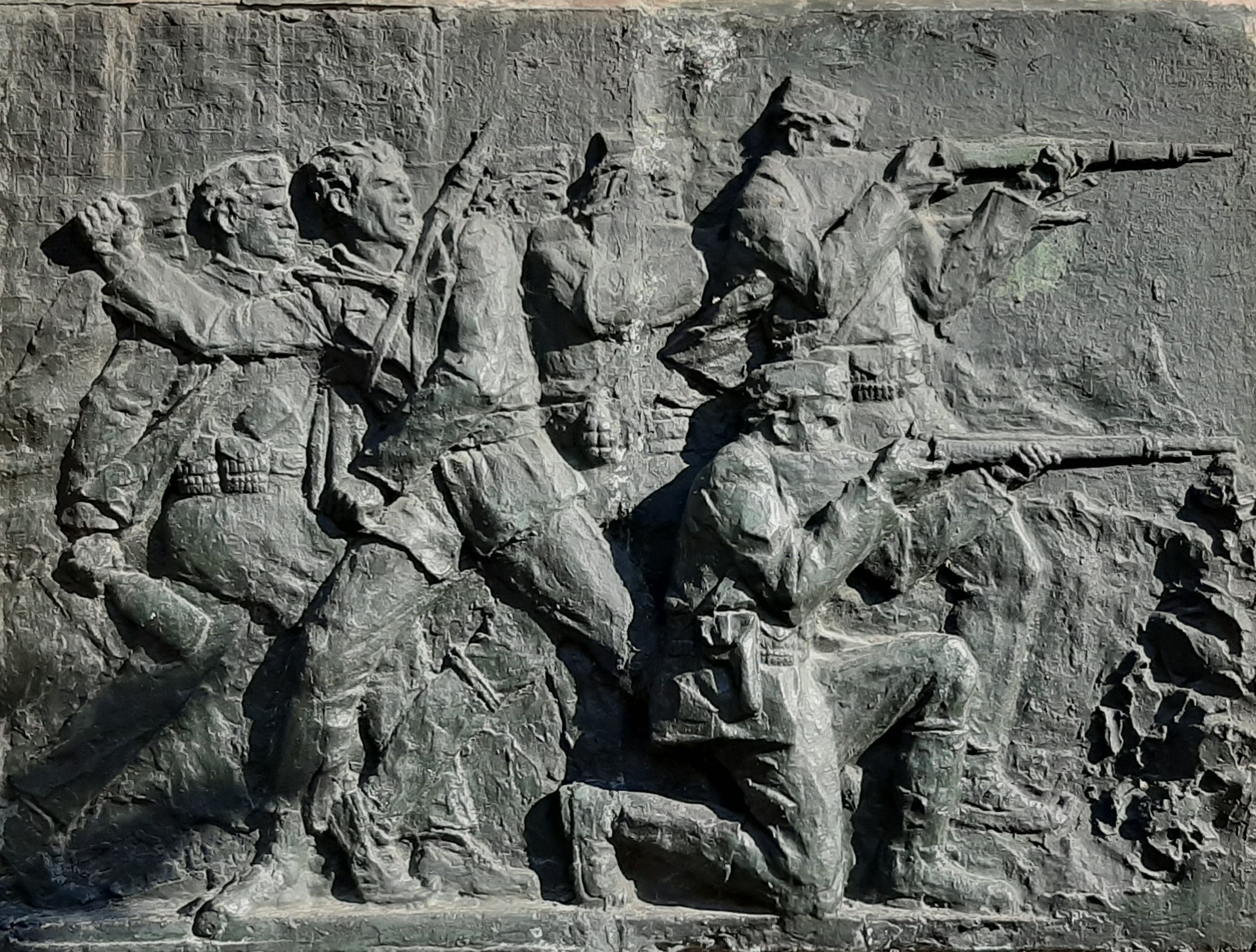
Sport in Kosovo has a rich and diverse history, reflecting the passion and dedication of the Kosovar people towards sports activities. During the last decades, sport has played an important role in the social and cultural life of Kosovo, bringing the community together and promoting positive values such as cooperation, respect, and health. One of the most known and practiced sports in Kosovo is football. Various football clubs have been born in the cities of the country, providing opportunities for the youth to develop their talent and compete at higher levels. The Football Superleague of Kosovo has gained great popularity, and its matches are important events for local fans. Besides football, other sports like basketball, handball, volleyball, and athletics also have a strong presence in Kosovo. Clubs and sports organizations work to promote these sports and to encourage wide participation from the community.
| Sport | Greatest Achievement | Year |
|---|---|---|
| Judo | Gold Medal at the Olympic Games (Majlinda Kelmendi) | 2016 |
| Judo | Gold Medal at the Olympic Games (Distria Krasniqi) | 2021 |
| Judo | Gold Medal at the Olympic Games (Nora Gjakova) | 2021 |
| Football | Historic 4–0 victory against Bulgaria and a 15 match unbeaten streak | 2019 |
| Karate | Gold Medal at the World Championship (Albin Tahiri) | 2023 |
| Swimming | National records and participation in World Championships (Lum Zhaveli) | 2020–2024 |
| Athletics | Participation in the Olympic Games (Mërgim Kllokoqi, Musa Hajdari) | 2016–2021 |
| Boxing | European and world titles from boxers competing for Kosovo | Various |
| Basketball | Victories in FIBA competitions and ranking rise | Various |
Kosovo, as a new and developing country, faces a series of challenges and problems that affect the daily lives of its citizens. Some of these problems are linked to economic, social, and political aspects, and require continuous attention from authorities and the international community to be addressed effectively. One of the main problems facing Kosovo is high unemployment, particularly among the youth. Many young people face difficulties in finding work, leading to brain drain and loss of human potential. This situation requires more effective policies to promote employment and economic development. Another significant challenge is corruption, which negatively impacts citizens' trust in public institutions and hinders economic and social development. The fight against corruption requires deep reforms in the judicial system and public administration, as well as continuous engagement from all levels of governance.