Religions in Kosovo Today
A multi-religious society where tolerance and coexistence are a centuries-old tradition
A multi-religious society where tolerance and coexistence are a centuries-old tradition
Kosovo is home to a multi-religious society where Islam, Orthodox Christianity, and Catholic Christianity have coexisted for centuries. The country's religious composition reflects its complex history and the various cultural influences that have shaped this land.
The overwhelming majority of the population (over 95%) belongs to Abrahamic religions, with Muslims constituting the majority. Despite historical divisions, religious communities in Kosovo have demonstrated a high level of tolerance and mutual respect, particularly during periods of peace.
The majority of Muslims in Kosovo are of the Hanafi Sunni rite. Islam spread during the Ottoman period (1389-1912) and became the dominant religion. Today, the Islamic Community of Kosovo (BIK) is the highest Muslim religious institution.
The Serbian Orthodox community is concentrated mainly in the north of Kosovo and in certain enclaves. The Serbian Orthodox Church has a long history in Kosovo, with monasteries dating back to the 13th-14th centuries.
Albanian Catholics are concentrated mainly in the Dukagjini region (Peja, Gjakova, Prizren). The Catholic Church has an ancient history in Kosovo, with origins dating back to the Illyrian era.
Kosovo has a long tradition of religious coexistence. Examples of interreligious tolerance are numerous in the country's history, from the time of Skanderbeg to the present day.
Centuries of living together in the same village or neighborhood, with respect for each other's holidays and customs.
The Constitution of Kosovo guarantees freedom of religion and equality of all religious communities before the law.
Regular interreligious meetings, dialogue forums, and joint initiatives for peace and stability.
Joint efforts to protect holy sites of all religions, regardless of ethnic affiliation.
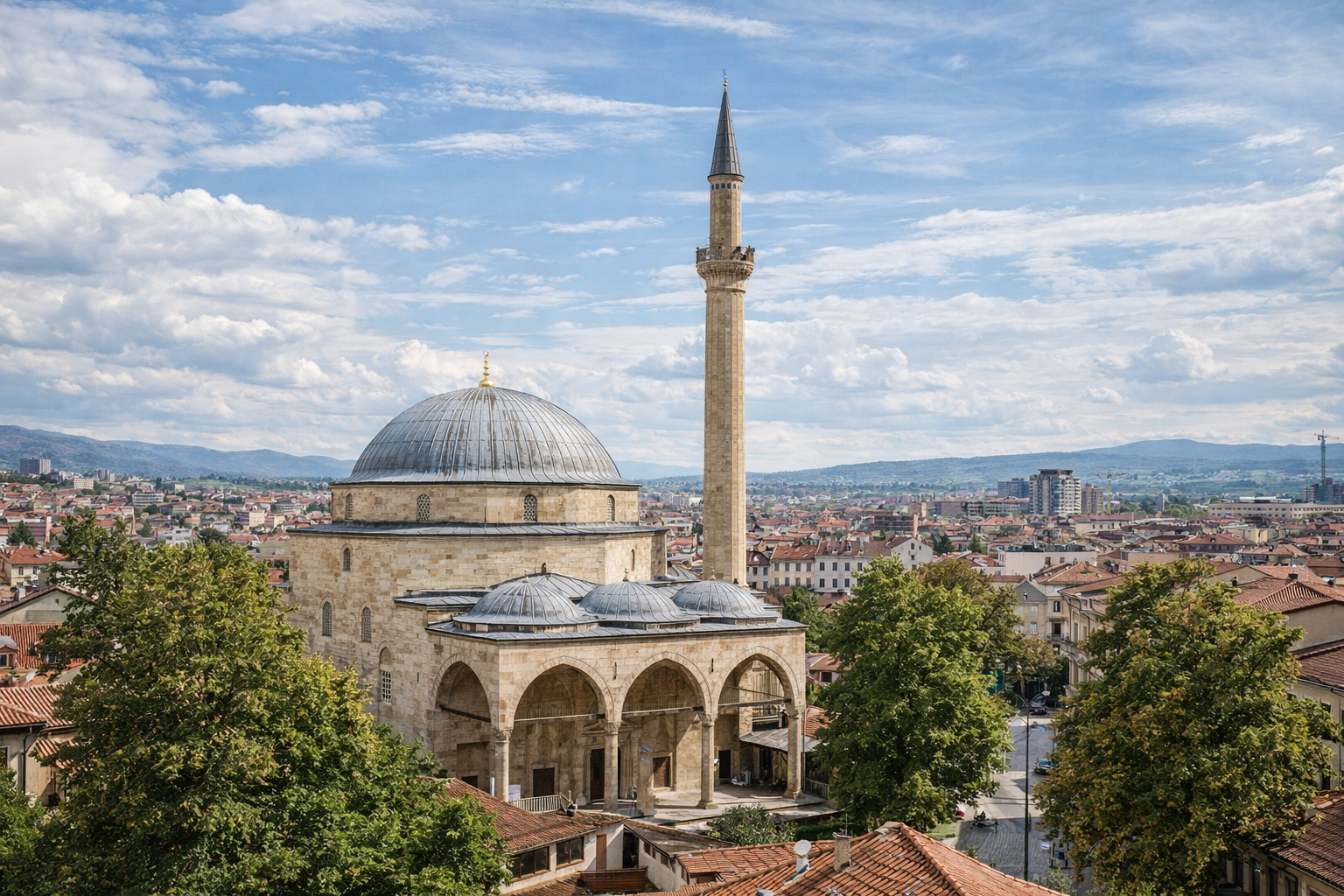 Islam
Islam
The largest mosque in Kosovo, built in the 15th century by Sultan Mehmet II. A symbol of the city.
14th-century monastery, inscribed on UNESCO. Famous for Onufri's frescoes.
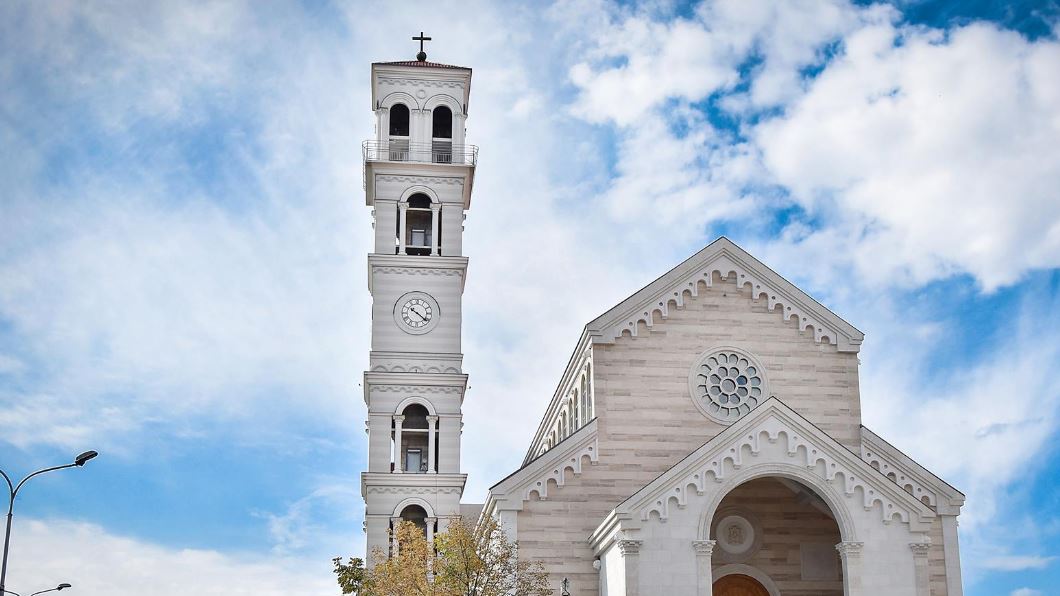 Catholic
The largest cathedral in the Balkans, dedicated to Mother Teresa. A symbol of Catholic Christianity.
 Orthodox
Brilliant example of 14th-century Serbian architecture, inscribed on UNESCO.
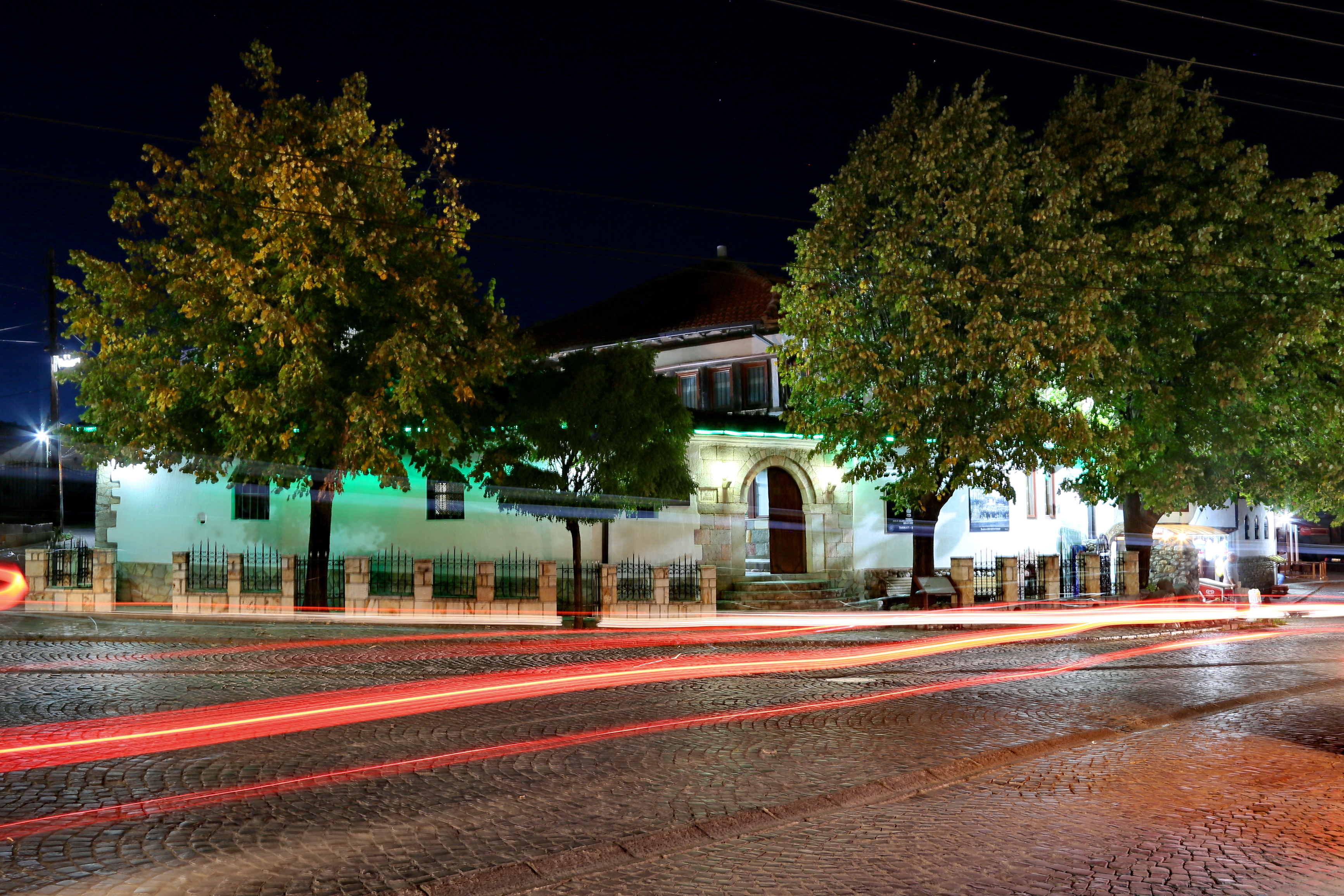 Islam
Islam
Sufi teqe built in the 18th century. Center of the Bektashi tradition in Kosovo.
Historical seat of the Serbian Orthodox Church. Monastery founded in the 13th century.
The history of Kosovo shows that in many cases, religious communities have cooperated to protect each other and maintain peace. This tradition continues today through interreligious dialogue and joint initiatives.
"Religion belongs to God, the homeland belongs to all. We are all citizens of Kosovo, regardless of our belief."